Millions in profits with the prickly pear cultivation project
Millions in Profits with the Prickly Pear Cultivation Project
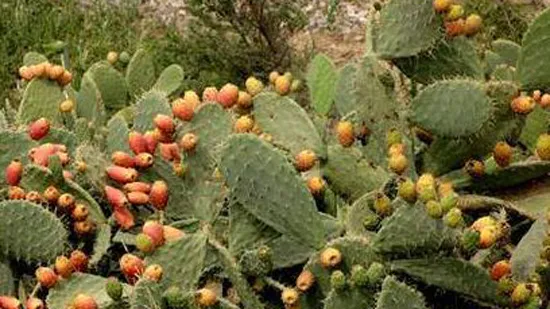
With the increasing demand for prickly pears in recent years, especially in export markets, prickly pear cultivation is a profitable agricultural project in many dry and hot regions. It is witnessing increasing demand from farmers due to several factors that make it an economically successful project. Here are some of the reasons that contribute to the high profits from prickly pear cultivation:
Tolerance to harsh climatic conditions:
Prickly pears are an ideal crop for hot and dry climates, as they tolerate drought and high temperatures well. This makes them particularly suitable for cultivation in arid or desert lands, which are unsuitable for many other agricultural crops. Consequently, farmers can achieve high yields despite difficult environmental conditions.
Low Production Costs:
Prickly pear cultivation is relatively cost-effective compared to other crops. The prickly pear tree does not require complex or expensive maintenance and can grow in sandy or alkaline soil. Its water requirements are also lower than other crops, which contributes to reducing the costs associated with irrigation. Production Speed:
Prickly pears grow rapidly and begin producing fruit within two to three years of planting. Farmers can harvest the crop periodically during certain months of the year, ensuring a steady stream of income. The prickly pear tree also produces fruit prolifically, boosting farmers' financial returns.
Increasing Domestic and International Demand:
Demand for prickly pears has increased in recent years in export markets, particularly in the Middle East, Europe, and Asia. Prickly pears are a fruit rich in nutrients such as vitamins and fiber, making them in demand in the food and healthcare industries. Dried or fresh prickly pears can be exported at good prices, opening up significant business opportunities.
High Market Value:
Due to their health benefits and the many important nutrients they contain, such as vitamins and minerals, prickly pears fetch high prices in the markets. In some markets, prickly pears are sold as a luxury fruit or in the form of juices or cosmetics, further increasing the product's market value. Multiple Uses:
Prickly pears are not just a fruit for human consumption; they are also used in many other industries, such as cosmetics and skincare, as they contain natural antioxidants that help moisturize the skin and improve its appearance. They are also used in the production of natural medicines and juices. Therefore, farmers can diversify their marketing methods to achieve greater returns.
Promoting Environmental Sustainability:
Prickly pears contribute to soil conservation and reduce erosion, as their strong roots help strengthen the soil. This contributes to environmental conservation and increased agricultural sustainability, especially in desert areas.
Reduced Requirement of Labor:
Another advantage of growing prickly pears is that they do not require a large amount of labor. The high productivity of the plant and its simple maintenance make it easy for farmers to generate profits from its cultivation, which contributes to reducing operational costs and increasing net profits.
Is profitability guaranteed from this project?
Of course, growing prickly pears is a profitable agricultural project with several advantages that make it an excellent choice for investment and generating income, especially since it is commonly grown in desert and arid regions. With low production costs and increasing demand for the product both locally and globally, you can make significant profits from this crop. If you take good care of the plant, choose the right, qualified company to professionally implement your project, and select the right market for marketing, prickly pear can be a sustainable source of long-term profit.