Feasibility Study for a Palm Tree Cultivation Project
Feasibility Study for a Palm Tree Cultivation Project
Palm tree cultivation is a promising agricultural project with numerous economic and environmental benefits. Not only is palm tree an important source of food, but it is also a crop that contributes to improving the environment and increasing agricultural income. Palm tree cultivation is a profitable project, especially in dry and hot areas that lack water resources, as palm trees can thrive in any harsh climate. In this article, we will discuss a comprehensive feasibility study for a palm tree cultivation project.
Importance of Palm Tree Cultivation
Economic Return:
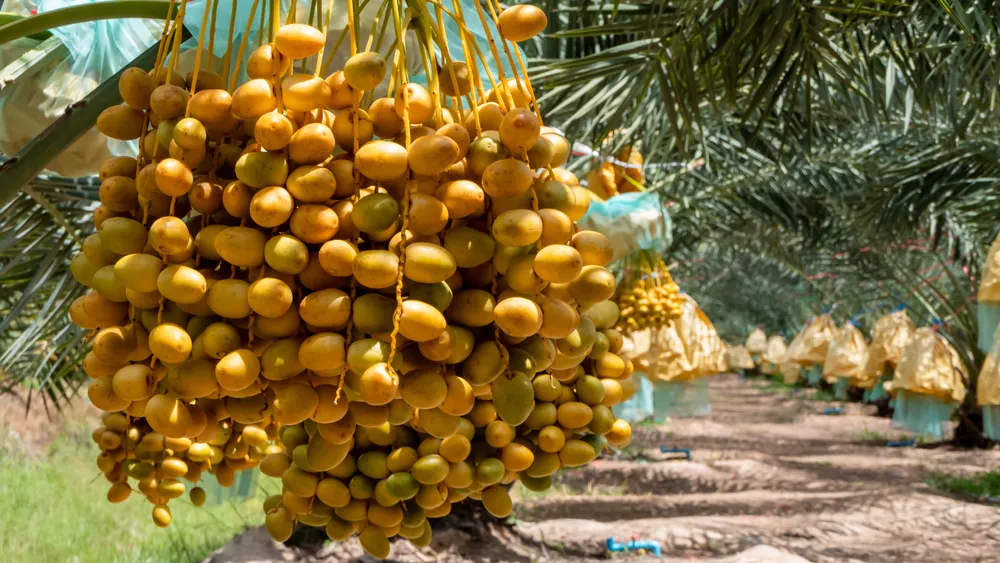
Dates are one of the most important and valuable palm tree products, considered a staple food in many Arab countries. They can also have various industrial uses, such as the production of juices or sweets. Palm trees are also a primary source of wood, which is used in construction, in addition to their fibers, which are used in various industries.
Environmental Sustainability:
Palm trees require very little water compared to some other agricultural crops, making them an environmentally friendly option in areas suffering from water scarcity.
Diversity in Production:
Every part of the palm tree can be utilized in various industries, from the trunk and fiber to the fruit itself. Maximum benefits from palm cultivation can be achieved by directing it to various local industries.
What are the most important factors affecting the success of palm cultivation?
There are several factors that influence the success of a palm cultivation project, the most important of which are:
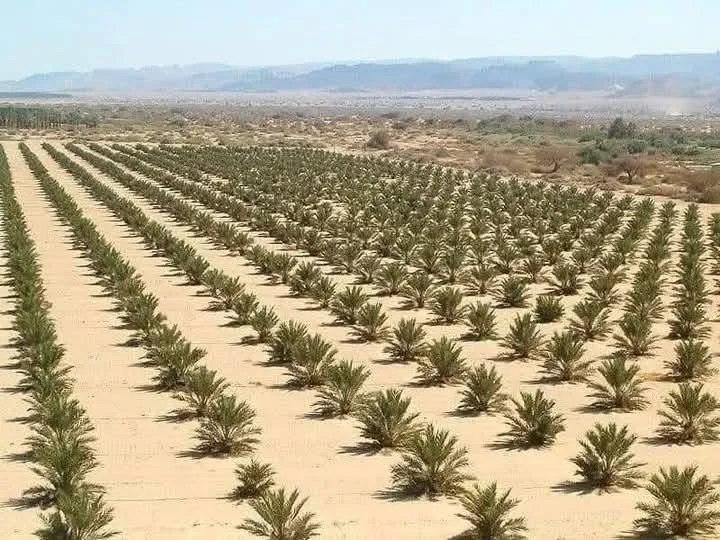
Climate: Palm trees prefer hot and dry regions, where they can withstand high temperatures. While palm trees can withstand some climatic changes, they prefer desert conditions.
Soil: Palm trees require well-drained soil, as their roots cannot tolerate heavy or waterlogged soil. Sandy soil is best for palm cultivation, ensuring adequate nutrients
Water: Although palm trees can adapt to dry conditions, they require a moderate amount of water during their growth periods. Irrigation using modern methods, such as drip irrigation, is the ideal option for reducing water loss.
Agronomic Treatment: Palm trees should be monitored regularly to control pests and diseases that may affect growth and production. Good care includes removing damaged leaves, regular fertilization, and disease protection.
Here is an economic feasibility study for palm cultivation:
An economic feasibility study is one of the essential steps in determining whether a palm cultivation project will generate the desired profits. The economic feasibility study includes estimating the total cost of the project, such as the cost of purchasing seedlings, preparing the land, irrigation costs, fertilizers, and labor, in addition to annual maintenance costs.
Farm establishment costs: These include purchasing seedlings, preparing the land, and planting the seedlings. The price of seedlings varies based on their quality.
Irrigation and maintenance costs: Palm cultivation requires adequate water supply. Costs vary depending on the location and the availability of a modern irrigation system, such as drip irrigation. In addition, palm trees require ongoing maintenance, including pruning and maintenance of the farm.
Production and yields: Palm trees begin bearing fruit approximately 4-5 years after planting, and production increases each year. Yields vary depending on the palm variety. For example, a date palm can produce between 100-200 kilograms of dates annually from a single tree, while other varieties may produce larger or smaller quantities.
Export Markets: Dates have a large global market, especially in the Middle East and North Africa, making them an excellent export opportunity.
What is the expected profitability and payback period?
The payback period for a date palm cultivation project ranges from 5 to 7 years, depending on the quality of the land and the availability of resources. After a period of initial investment, the farmer can begin to reap profits that increase over time. Also note that the cost of growing date palms is considered low compared to some other high-value crops, such as flowers or some vegetables.
Are there potential challenges and risks to a date palm cultivation project?
Despite the many benefits of date palm cultivation, there are some challenges you may face, the most important of which are:
Pests and diseases: Such as the red palm weevil, which can destroy trees. It is essential to monitor plants and use modern pest control methods.
Climate Fluctuations: Although palm trees can withstand drought conditions, climate fluctuations can affect production.
Marketing and Exporting: Despite the high demand for dates, marketing the product requires sound strategies, especially when it comes to opening new markets or exporting products.
In Brief..
Date palm cultivation is a highly economically viable project, especially in desert and arid regions. If implemented correctly and with the help of a specialized company with professional and well-qualified personnel to handle all conditions, while paying attention to environmental and technical factors, it will provide great opportunities for sustainable profits. With the increasing demand for dates in local and global markets, farmers can achieve good returns by investing in this field. However, careful planning and a strategic vision are required to overcome challenges and increase productivity.
Get a Free Consultatio